
Two Suitcases and a Dream
Pitt alumnus Prahlad Pant and his wife, Bindu, launch the Prahlad and Bindu Pant Endowed Student Resource Fund in Civil Engineering
The first time Prahlad Pant (MS CE ’77, PhD CE ’80) applied for a passport to travel from Nepal to America, it was denied by the then-autocratic Nepali government. Driven by a dream to become an engineering professor, he persisted, and in 1975 found himself studying engineering for a semester at the University of Pittsburgh. That one semester set in motion a new life for Pant and his wife, Bindu, in the U.S.
Throughout his journey to America and into academia, Pant never forgot the generous support he received from Pitt. This summer, he decided it was time to give back. Pant and his wife have launched the Prahlad and Bindu Pant Endowed Student Resource Fund in Civil Engineering, a $100,000 gift that will support Swanson School of Engineering students pursuing degrees in civil engineering.
Two suitcases
Growing up in Nepal’s capital Kathmandu, Pant enjoyed math and science and had to decide which to pursue. “At that time,” he said, “if you wanted to go for higher education, you applied for a scholarship for engineering or medicine.” He chose the former.
After studying engineering at BIT Sindri, in India, Pant returned to Nepal and began working for the government, where he tried unsuccessfully to obtain a passport to go abroad. Undaunted, he worked on a USAID-funded project building highways in the mountains, which sent him to Pitt to study for a summer semester.
Before returning to Nepal, Pant’s professor invited him, his wife, and a few other students to his house for dinner. “As we were about to leave,” Pant recalled, “the professor asked if I wanted to continue studying at Pitt.”
Pant had obligations in Nepal but at the professor’s urging, he filled out a graduate school application and dropped it in the mail before he flew home.
“I had almost forgotten about that, and in March of 1976, I received a letter that I had been admitted to the master's program in the Department of Civil Engineering,” Pant said.
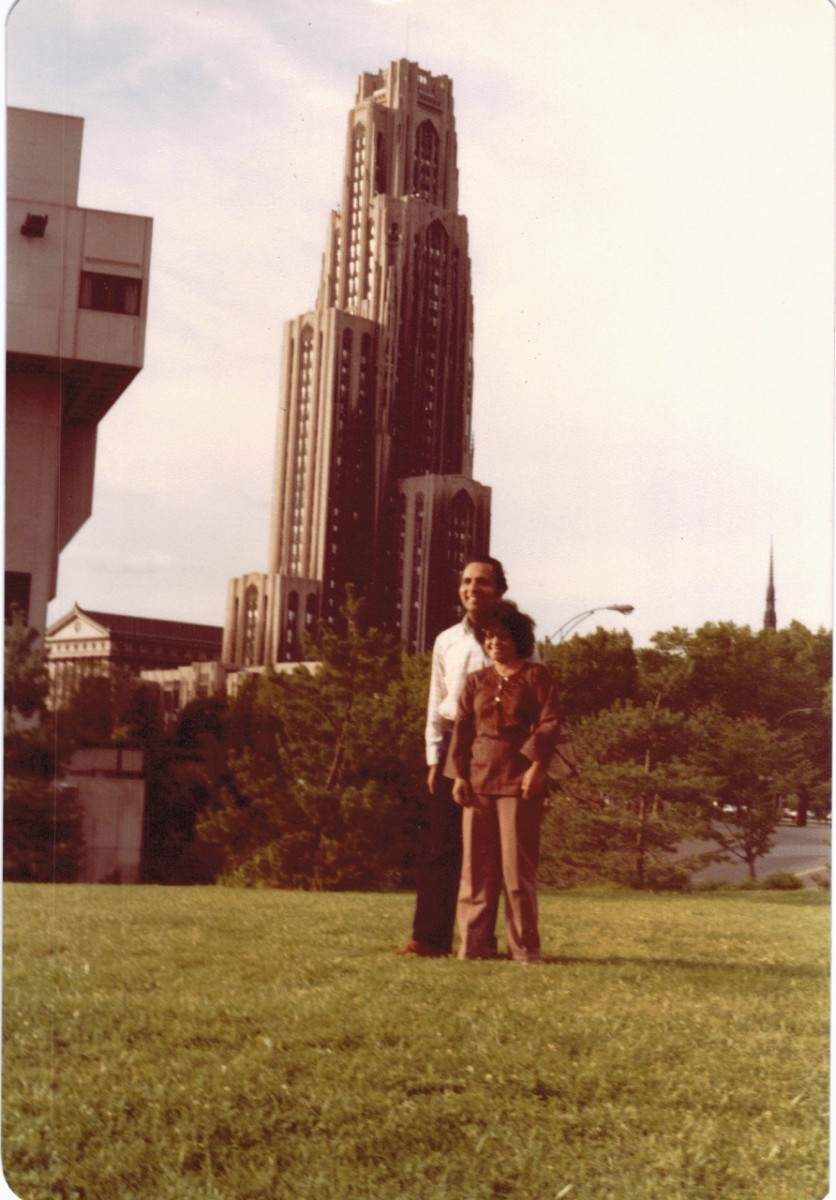
In late August that year, he and his wife flew back to Pittsburgh, this time to stay. “We came with only one suitcase each,” Pant said. “Then we were at the Pittsburgh airport and didn't know where to go, so we just called the cab and said, ‘Okay, take us to a hotel near the University.’”
The next day, Pant met with the professor and things fell into place. Apartments around the university were full, so they found one in Squirrel Hill. Classes started, and Pant was immersed in his studies.
“The academic part was challenging, and I had to work hard,” Pant said. He and his wife also had to adjust to the weather. The winter of 1976 – 1977 was famously cold, with the city setting a record of 33 consecutive days with temperatures below freezing. In Kathmandu, temperatures occasionally reach freezing, but most days are warm and sunny.
When Pittsburgh bus drivers went on strike in December, Pant recalled trudging through the snow to campus. “Luckily the strike only lasted a couple days.”
Despite the cold and the challenges of earning graduate degrees in a foreign country, Pant “loved it. I was also lucky. I was supported by the civil engineering department every semester that I was there.”
A dream realized
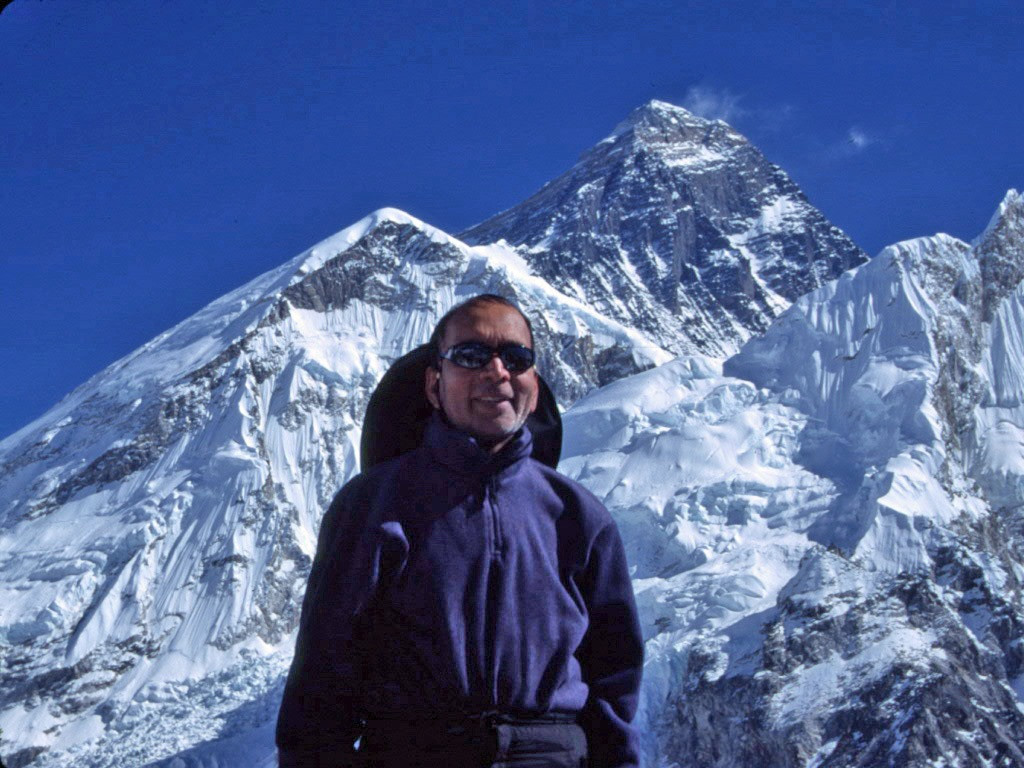
“Being a professor was my dream,” Pant said. “Coming to America, I wasn’t interested in any other thing.”
After earning his PhD, Pant applied for three teaching positions and received two offers. He chose the University of Cincinnati, where in 1980 he became the first Nepali engineering professor in America.
Suddenly, Pant found himself entering a classroom not as a student but as a professor. “I had no training in teaching. I said, ‘How am I going to teach these courses?’ It was a learning experience.” He learned quickly and for over 20 years conducted research and taught courses in transportation and traffic engineering.
In 2003, Pant retired as a professor emeritus and launched the startup company PDP Associates, a successful transportation research and traffic management company. After staying on at the University of Cincinnati until 2007 to support his last graduate students, he and his wife, in search of a warmer climate, moved to Atlanta.
The opportunity to give back
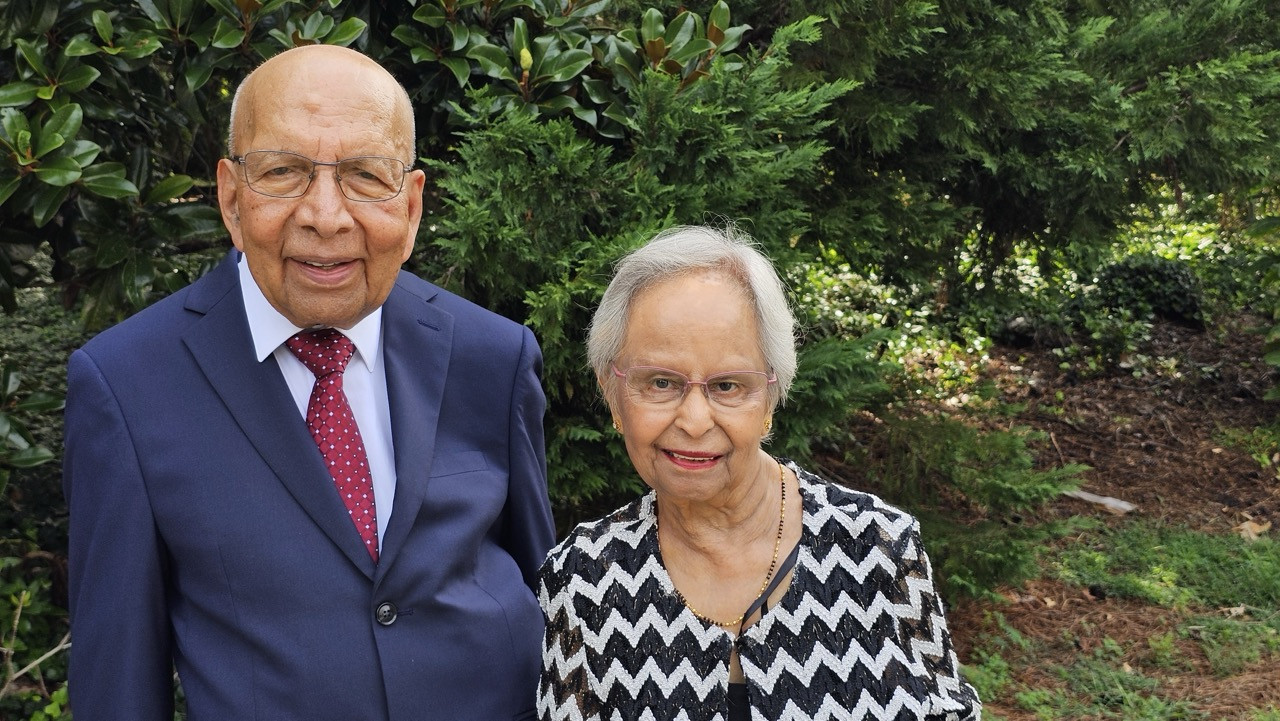
Pant recalled the two suitcases he and his wife brought to America. “That’s all we had, nothing else,” he said. “Now we had something and could give back to Nepal.”
In 2008, the couple launched the Prahlad & Bindu Pant Orphans Foundation (now called the Pant Family Foundation). Today, the foundation has expanded its scope to support other areas including orphaned children in Nepal.
Last month, the foundation and Pant himself introduced the Pant Family Endowed Student Resource Fund in Civil Engineering. The $100,000 gift will support education-related expenses for Pitt undergraduate, graduate, and doctoral students in civil engineering, with a focus on those studying transportation engineering.
The fund will help make research, conferences, travel, and global experiences more accessible to more students. It seeks to create opportunities for students who, like Pant when he first came to America, need extra financial support to reach their dreams.
For Pant, the decision to support Pitt was easy. “Pitt helped me so much during my studies,” he said. “It was very straightforward. I had to give back something to help today’s students.”